Mobile Network Not Available: How to Fix It on Android and iPhone


On this page
“Mobile network not available” (and its twin, “cellular network not available”) appears when your phone cannot reach your carrier’s network to make a call, send a text or use data. The cause can be no coverage, a network outage, the wrong SIM selected on a dual-SIM phone, or a network setting that needs resetting. These steps apply to Android first, with the iPhone equivalents where they differ. On iPhone the same problem usually shows as “No Service” or “SOS only”.
Quick fix: Turn airplane mode on for 30 seconds, turn it off, and restart the phone. If you have two SIMs, check that the right one is selected for calls and data (step 3).
What causes the mobile network not available message
- No coverage where you are, or a temporary outage on your carrier’s network.
- The wrong SIM selected for calls, texts or data on a dual-SIM phone.
- The phone stuck on a network it cannot use, for example after travelling.
- A preferred network type, such as 5G, that your area does not support well.
- Incorrect or damaged access point name (APN) settings.
- A loose or damaged SIM, or an account problem.
1. Check coverage and outages
Ask someone nearby on the same carrier whether their phone works, or check your carrier’s outage page. If everyone nearby has the problem, wait and try again later. If it only happens inside a building, see why a phone keeps losing service for coverage fixes such as Wi-Fi calling.
2. Toggle airplane mode and restart
Turn on airplane mode, wait about 30 seconds, turn it off, and restart the phone. This makes the phone search for a network again.
3. Check which SIM is selected
On Android, open Settings > Network & internet > SIMs (on some phones Settings > Connections > SIM manager) and check that your SIM is on, and that the right SIM is chosen for calls, texts and mobile data. On iPhone, open Settings > Cellular and check that your line is turned on and selected for voice and data.
4. Let the phone pick the network automatically
On Samsung phones open Settings > Connections > Mobile networks > Network operators. On Pixel phones open Settings > Network & internet > SIMs, select your SIM and find Automatically select network. Turn automatic selection off to see the list of available networks, choose your own carrier, then turn automatic selection back on. On iPhone open Settings > Cellular > Network Selection and make sure Automatic is on.
5. Change the preferred network type
Open Settings > Network & internet > SIMs, select your SIM and change Preferred network type to LTE or 4G. If you use 5G, try the 4G option first, because patchy 5G coverage can cause drops. On iPhone go to Settings > Cellular > Cellular Data Options > Voice & Data and choose LTE.
6. Reset the access point names (Android)
APN settings tell the phone how to connect to your carrier. On Samsung phones open Settings > Connections > Mobile networks > Access point names. On other Android phones look under Settings > Network & internet > SIMs and select Access point names. Open the menu (three dots) and choose Reset to default. iPhones set these from the carrier automatically, so there is nothing to change.
7. Reseat the SIM card
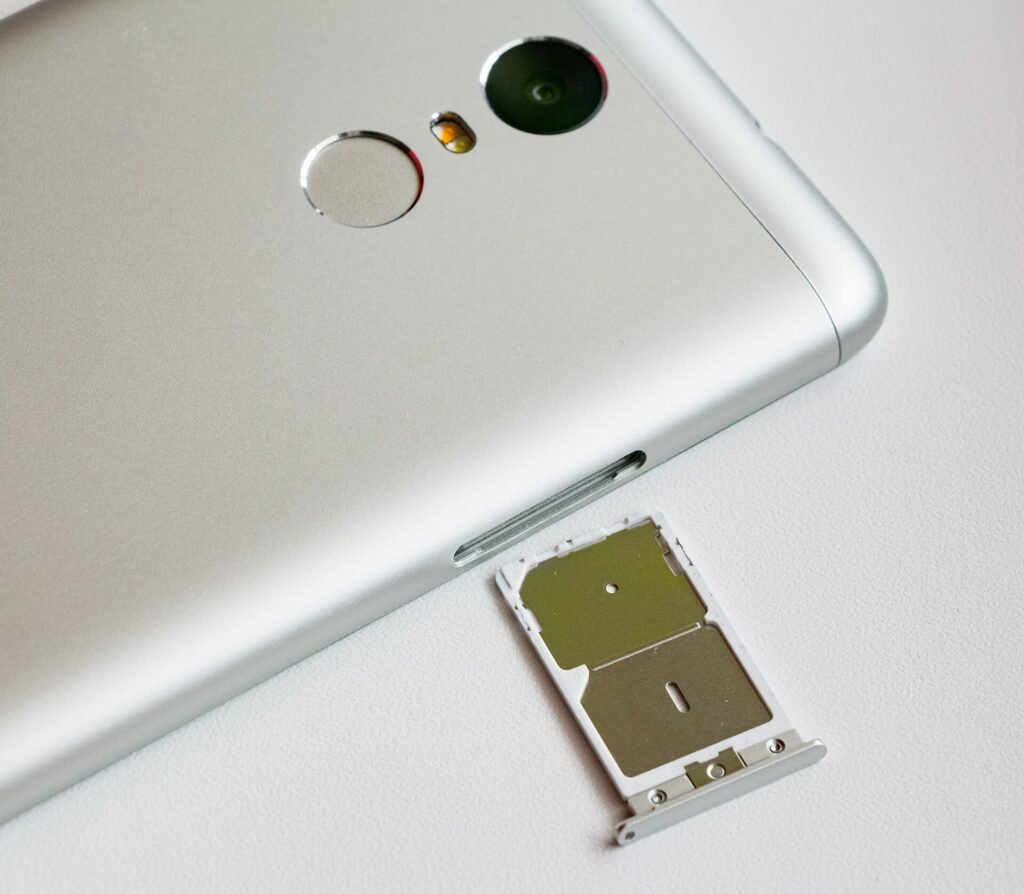
Switch the phone off, open the SIM tray with the ejector tool, check the SIM is clean and flat, and put it back in the same position. If you have an eSIM, you cannot remove it, so ask your carrier to re-activate it.
8. Update the phone software
On Android open Settings > System > Software update. On iPhone open Settings > General > Software Update, and open Settings > General > About to see whether a carrier settings update is waiting.
9. Reset network settings
This is the last step before contacting your carrier. On Pixel phones open Settings > System > Reset options > Reset Wi-Fi, mobile & Bluetooth. On Samsung phones open Settings > General management > Reset > Reset network settings. On iPhone open Settings > General > Transfer or Reset iPhone > Reset > Reset Network Settings.
Warning: This removes saved Wi-Fi passwords and paired Bluetooth devices. Make sure you know your Wi-Fi password first. Photos, apps and accounts are not deleted.
10. Contact your carrier
Check that your bill is paid and your line is active. Ask the carrier to look for outages at your address, refresh your line, or send a new SIM. If you have just travelled, ask them to confirm that roaming is turned on for your plan.
Frequently asked questions
Why does it say mobile network not available only when I make calls?
The phone may be using the wrong SIM for calls, or voice service may be down while data still works. Check step 3, then ask your carrier whether voice service is affected.
Is cellular network not available the same as no service?
They describe the same problem: the phone cannot reach the carrier’s network. The wording differs between brands and software versions.
Will resetting the APN delete anything?
No. It restores the carrier’s default connection settings and does not delete your files or apps.
Why is my mobile network not working but Wi-Fi works?
Wi-Fi uses your home router, not your carrier, so it can work even when the phone cannot reach the mobile network. Check that cellular data and the correct SIM are on (step 3), change the network mode (step 5) and reset the APN (step 6).
When to contact support
If the SIM works in another phone but not in yours, the phone may need repair, so contact the maker. If the problem follows the SIM, contact your carrier. See our mobile signal overview for more checks, or Android Help and Apple iPhone Support for device-specific guidance.
Related guides
Why Does My Phone Keep Losing Service? Causes and Fixes for iPhone and Android
A phone that keeps losing service has a coverage, network or phone problem. Work out which first, then toggle airplane mode, reseat the SIM,…
How to Fix an Android Phone That Is Not Charging or Charges Slowly
An Android phone that will not charge is usually the cable, adapter or a dirty port. Test these first, then check battery settings, safe…

How to Fix Android Connected to Wi-Fi but No Internet
Android shows Wi-Fi connected but nothing loads? First decide whether the network or the phone is at fault, then work through these fixes.